Here is the translation of the post into English, maintaining the professional tone and the specific requirements for your market estimates.
Import Guide: How Vehicles Are Shipped from Japan in 2026
Importing a vehicle from Japan is an excellent opportunity to secure a car maintained with meticulous care and genuine mileage. However, international shipping has undergone significant changes in recent years. Here is everything you need to know about current methods, transit times, and costs.
1. Shipping Methods
There are two primary ways to transport your vehicle to its destination:
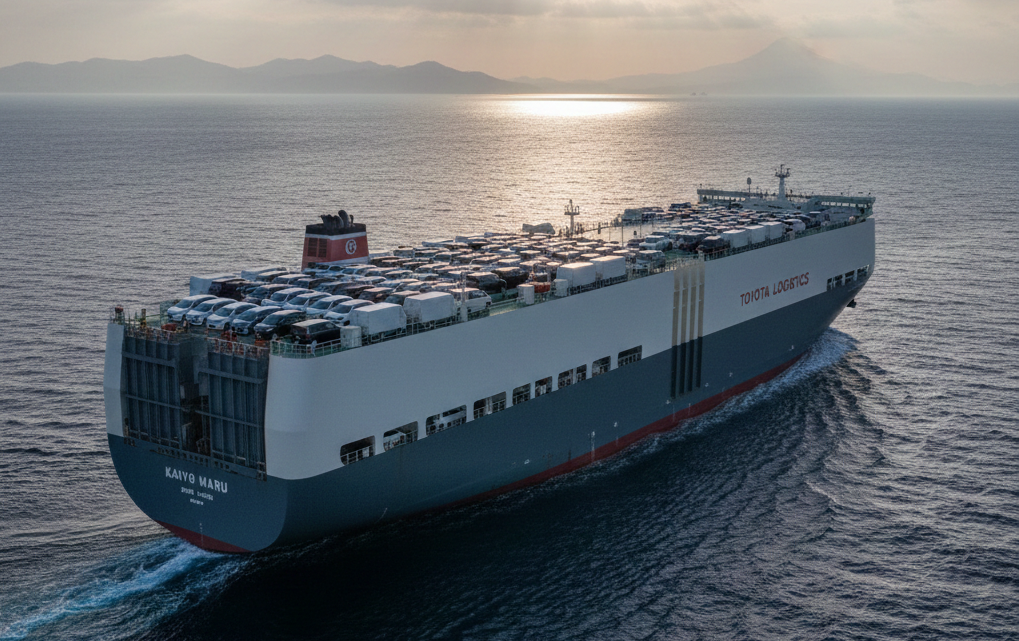
- Ro-Ro (Roll-on/Roll-off): This is the most common and cost-effective method. The vehicle is driven directly onto the ship (essentially a massive multi-level ferry). It is ideal for running vehicles of standard dimensions.
- Container (20ft or 40ft): The vehicle is secured inside a shipping container. This option is preferred for high-value cars, non-running vehicles, or if you wish to ship spare parts along with the car. It offers total protection from the elements and sea salt.
2. Current Routes and Lead Times
Due to ongoing instability in the Red Sea region, most shipping lines in 2026 continue to favor the route circumnavigating Africa via the Cape of Good Hope.
- The Route: Ships depart from major Japanese ports (Yokohama, Nagoya, Kobe), cross the Indian Ocean, round the southern tip of Africa, and head north toward Mediterranean or European ports.
- Transit Times: This route adds approximately 10-14 days compared to the historical Suez Canal route. Currently, you should budget between 45 to 60 days for transit to European ports.
3. Estimated Shipping Costs
Maritime freight costs are influenced by fuel prices and space availability. On average:
- Ro-Ro Shipping: Between €1,500 and €2,800, depending on the size of the vehicle (a Kei car costs less than an SUV).
- Container Shipping: Starting from €3,500 – €5,000, depending on whether you choose a dedicated or shared container.
Important Note: Shipping quotes fluctuate monthly. The final price also depends on Japanese port fees and local customs clearance charges upon arrival.